
Oracle HCM Global Payroll Cloud 26B
Medium

Feature Enablement
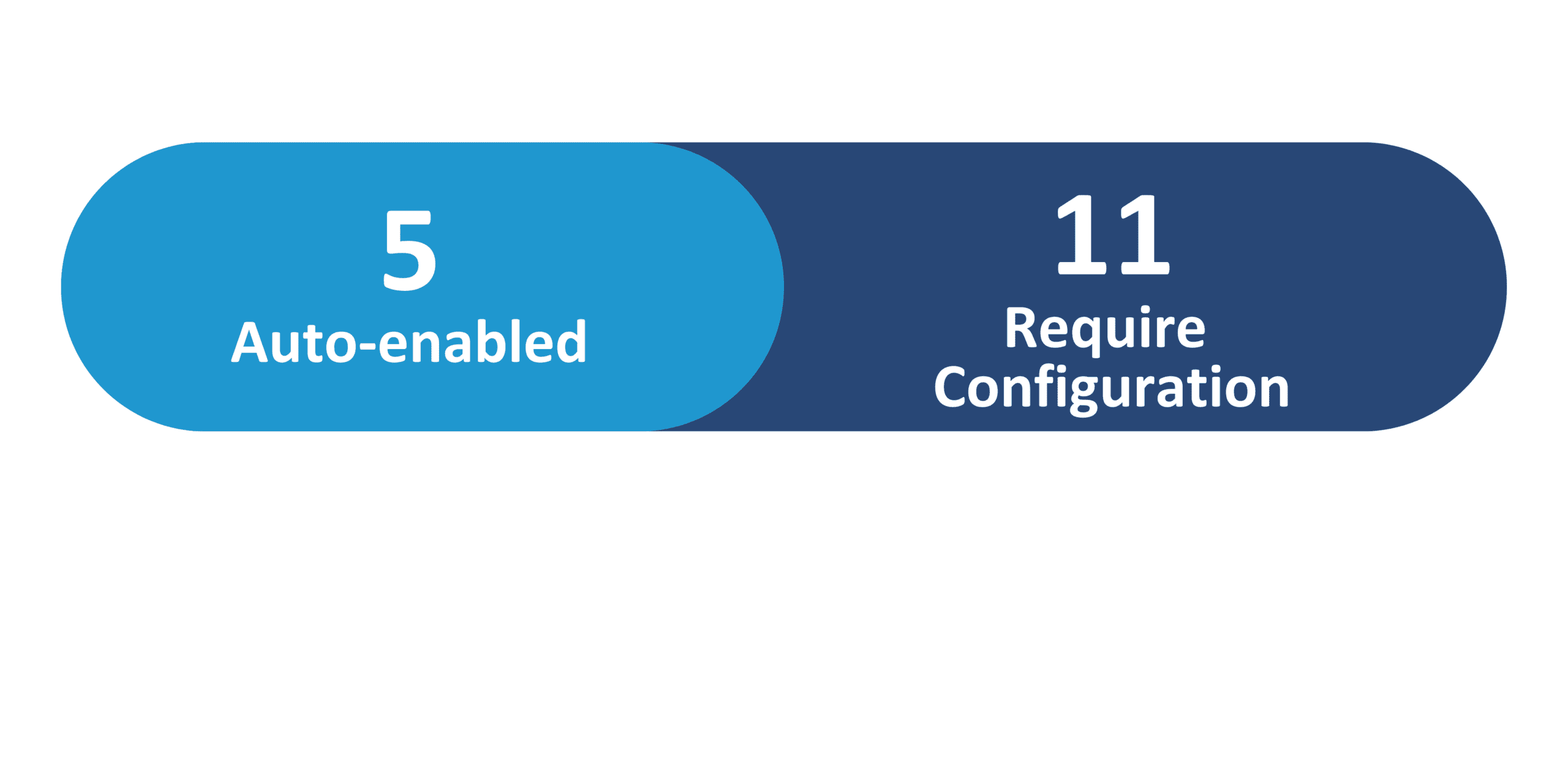
Redwood Features
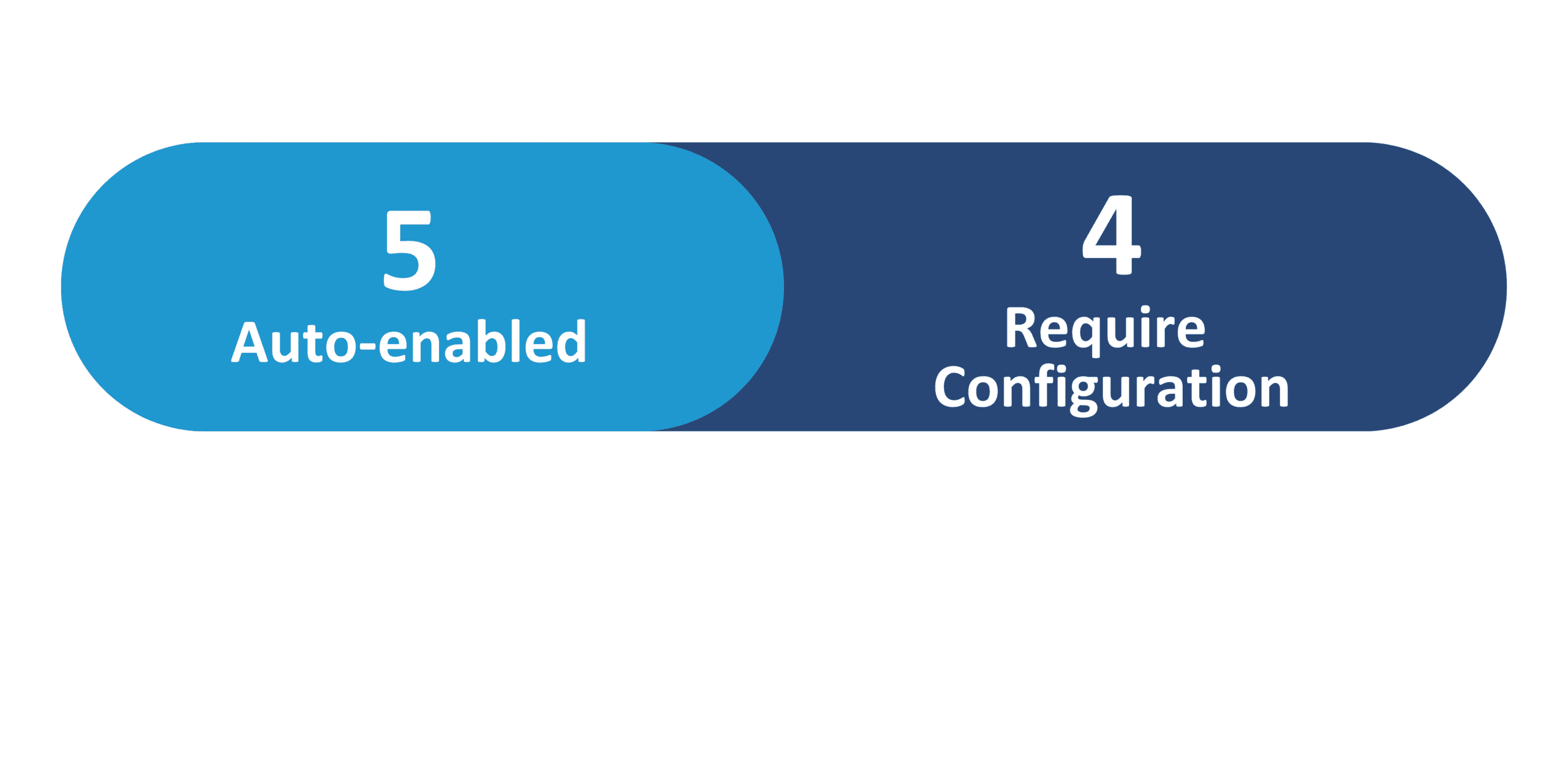
26B Update Features Covered:
- Redwood Experience
- Redwood Earnings and Deductions Page
- Redwood Experience: National Identifier Person Search
- Retroactive Overpayment Recovery for Timecard Elements
- Redwood QuickPay and QuickPay Cycle Flows
- Maximum Zero Cap for Payroll Deductions
1. Redwood Experience
Redwood is Oracle’s next-generation unified user interface built to enhance the overall user experience. While the Classic UI is still available for existing customers, Oracle strongly recommends transitioning to Redwood to take full advantage of the latest innovations – particularly those driven by Generative AI. Redwood features are continuing to be introduced for Global Payroll – with this release we see promising enhancements to Costing Setup Pages, Earnings & Deductions, Redwood Calculation Cards and Personal Payment Method pages.
2. Redwood Earnings and Deductions Page
Quick Notes:



Redwood Earnings and Deductions page allows administrators to view a summary of all earnings and deductions for an employee over a selected date range in a single view. Click any earning or deduction to see detailed information, including values, element attributes, costing, and processing history making it easy to manage and verify individual records. You can also initiate a QuickPay directly from the Earnings and Deductions page.
3. Redwood Experience: National Identifier Person Search
Quick Notes:
The Redwood person search now allows administrators to find employees using their national identifier, such as a U.S. Social Security Number. This capability improves the speed and accuracy of locating employee records when only identification numbers are available. The feature includes two search modes: Standard, which searches using the last four digits of the person’s primary national identifier, and Advanced, which requires the full identifier including separators. It is particularly useful when administrators need to identify employees using information provided by external entities such as tax authorities or legal institutions
4. Retroactive Overpayment Recovery for Timecard Elements
Quick Notes:
This enhancement extends the retroactive recovery (overpayment) capability to certain timecard-based elements, not just earnings elements. It enables organizations to identify and recover overpayments when timecard entries, such as hours × rate × factor, are changed after payroll has already been processed. When creating eligible timecard elements, administrators can choose whether the element should participate in retroactive recoveries through a new configuration option in the element template. This improvement helps organizations manage common scenarios where previously processed time entries are later corrected, withdrawn, or retransferred, resulting in recoverable overpayments.
5. Redwood QuickPay and QuickPay Cycle Flows
Quick Notes:
With 26B Oracle has introduced QuickPay flows to simplify and speed up payroll processing for individual employees. The QuickPay Cycle flow enables payroll teams to quickly run payroll calculations, review results, and complete related payment tasks for a single employee when needed. The flow can include tasks such as Retropay, Quick Prepayments, Archive Periodic Results, Make EFT Payments, Generate Check Payments, and Generate Payslip. Users can choose which tasks to include based on their requirements. This enhancement helps payroll teams process urgent or individual payroll adjustments more efficiently while maintaining visibility and control over each step.
6. Maximum Zero Cap for Payroll Deductions
Quick Notes:
You can now enter 0 in the Maximum Amount field for voluntary and pretax deductions to create a strict cap that prevents any deductions from being collected. When arrears tracking is enabled, any amounts that would normally be deducted are automatically recorded as arrears. This update applies to newly created elements, while existing elements will continue to follow their current behavior. The enhancement provides organizations with greater control over deduction limits. It also helps prevent unintended collections and supports more accurate payroll processing.